

You have probably already come across OAFF aka Kabeer Kathpalia’s work, as he produced popular tracks for Bollywood films like Doobey from Gehraiyaan and Teri Yeh Baaatein from Kho Gaye Hum Kahan. OAFF adopted his name from the English word oaf, a whimsical choice that foreshadows the inherent playfulness of his production style.
His debut album, Between Flowers, arrives during a deeply personal period for the artist, coming between the passing of his grandparents and his marriage last year. As he says, “Between those two moments - loss and love - I found myself reaching for something to anchor me, something to help make sense of it all.” I usually measure songs by whether or not they bring me back to the present and make me pause and in OAFF’s Between Flowers, time is suspended.
The album begins with Baalmaa sounding like that perfect mix of a sunny day with a slight cold breeze. Divyam Sodhi sings a rendition of Latt uljhi suljha jaa baalma and makes it his own. There is an almost sickly sweetness in the casual affection of asking a beloved to untangle your hair because you have mehndi on your hands. In a sense, you are relying on them to be a space where you can rest. The background hums with shifting layers, a warm blend of children’s laughter, or the vibrant interplay of Gopesh Jha’s sitar and OAFF’s electronic rhythms.
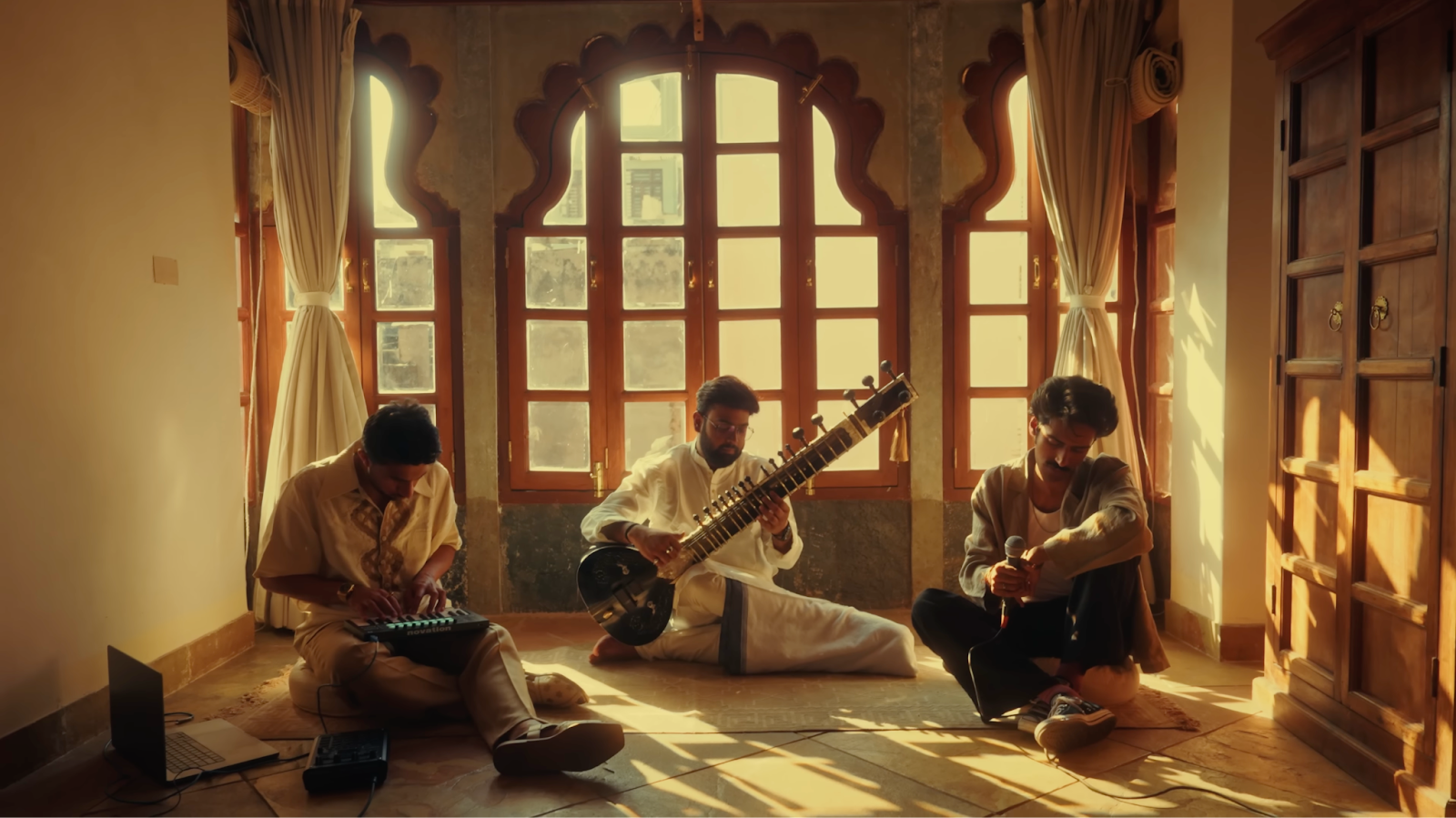
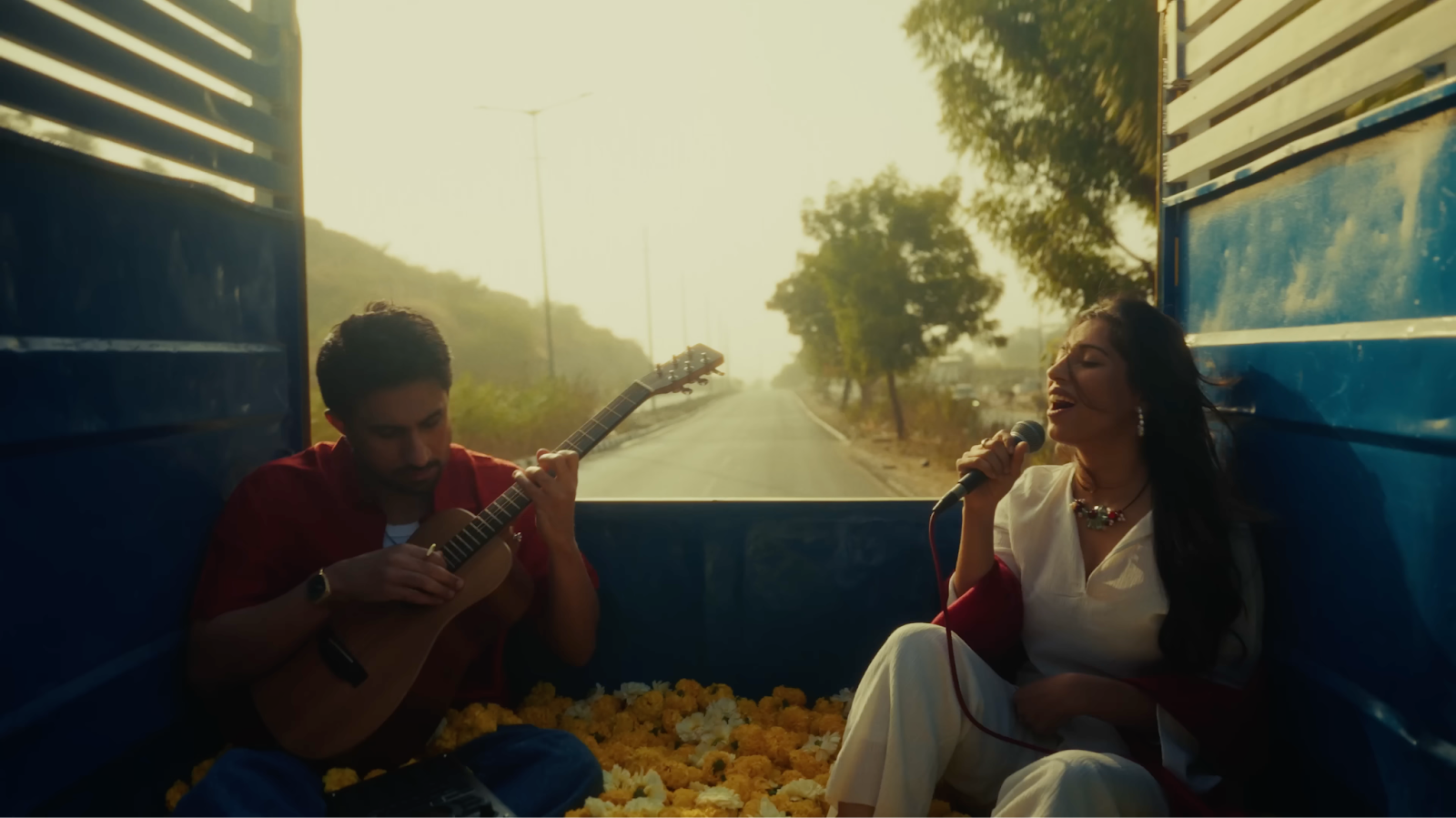
Bageecha (interlude) captures sounds of sitting outdoors in the Indian subcontinent complete with the “coo-ee” song of koels and OAFF’s grandmother reminiscing a related memory. It then transitions into the Punjabi love track Between Flowers where Manreet Khara’s poetry is sung by Amira Gil. Amira is singing on a mic and OAFF alternates between his guitar and sampler at the back of a flower-covered truck, giving the illusion of listening to a live performance while traveling through the roads.
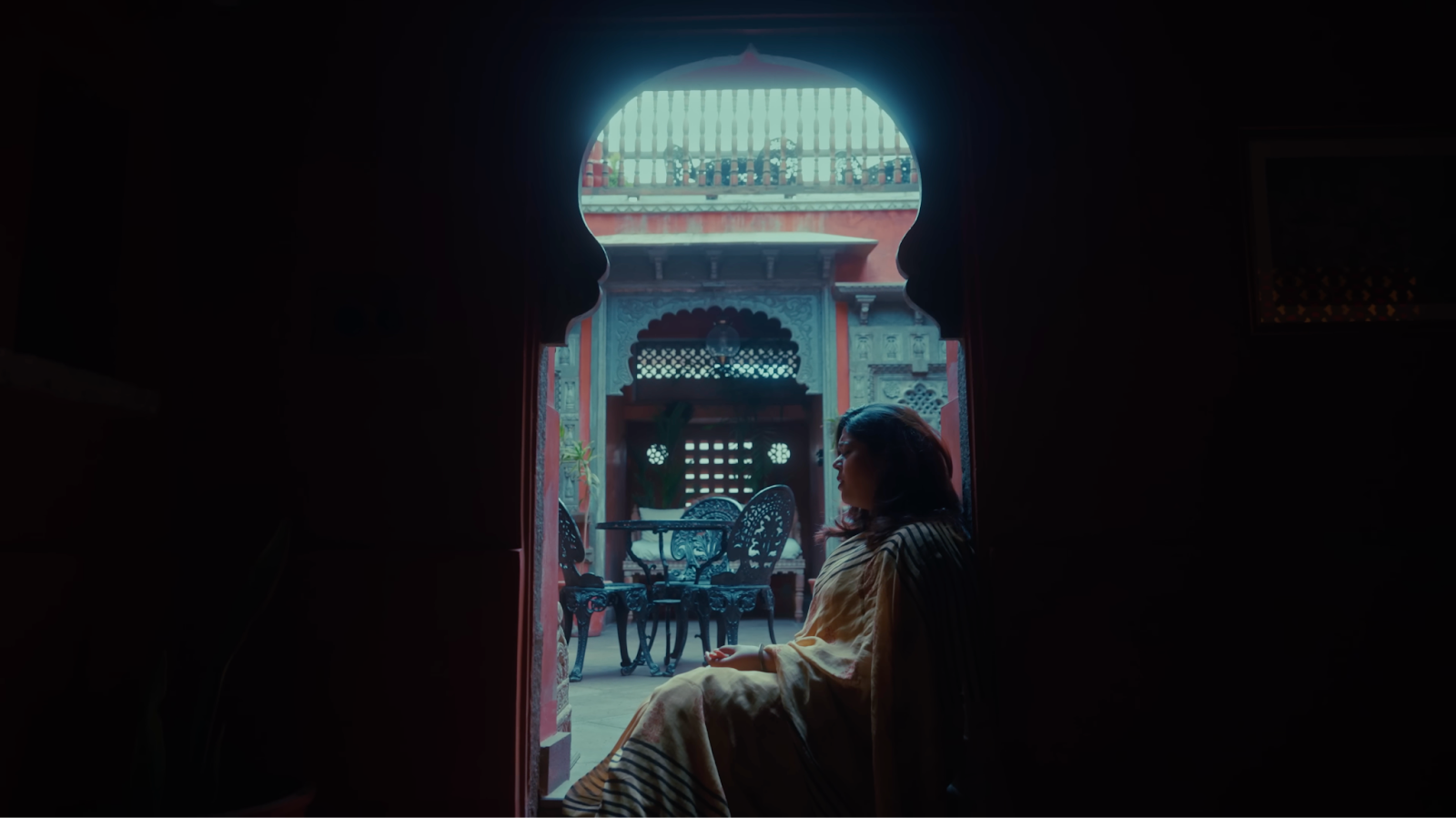
In Forever you are floating with the sarangi which OAFF records on a mic that is accompanied by Pratika Gopinath’s vocalisations. The melancholiness of Rooth Gaye is accentuated by the trumpet woven throughout the song and Vidhya Gopal singing “Ambwa ki daari pe bairi koyaliyaa. Gaa gaa ke mujhay rulaati rahi.” which although altered, was originally penned for the 1950 movie Dahej.
The album then transitions to Kadri, a tribute to Kadri Gopalnath, a pioneer of the Carnatic alto saxophone. The track features another interlude, you are special where OAFF’s production transforms a voice recording between lovers into a song. Though remixing audio recordings has long been a trend for humor, this track succeeds by using intimate real-life voice notes to evoke a genuine vulnerability, much like the emotionally impactful work of artists such as Fred Again during COVID.
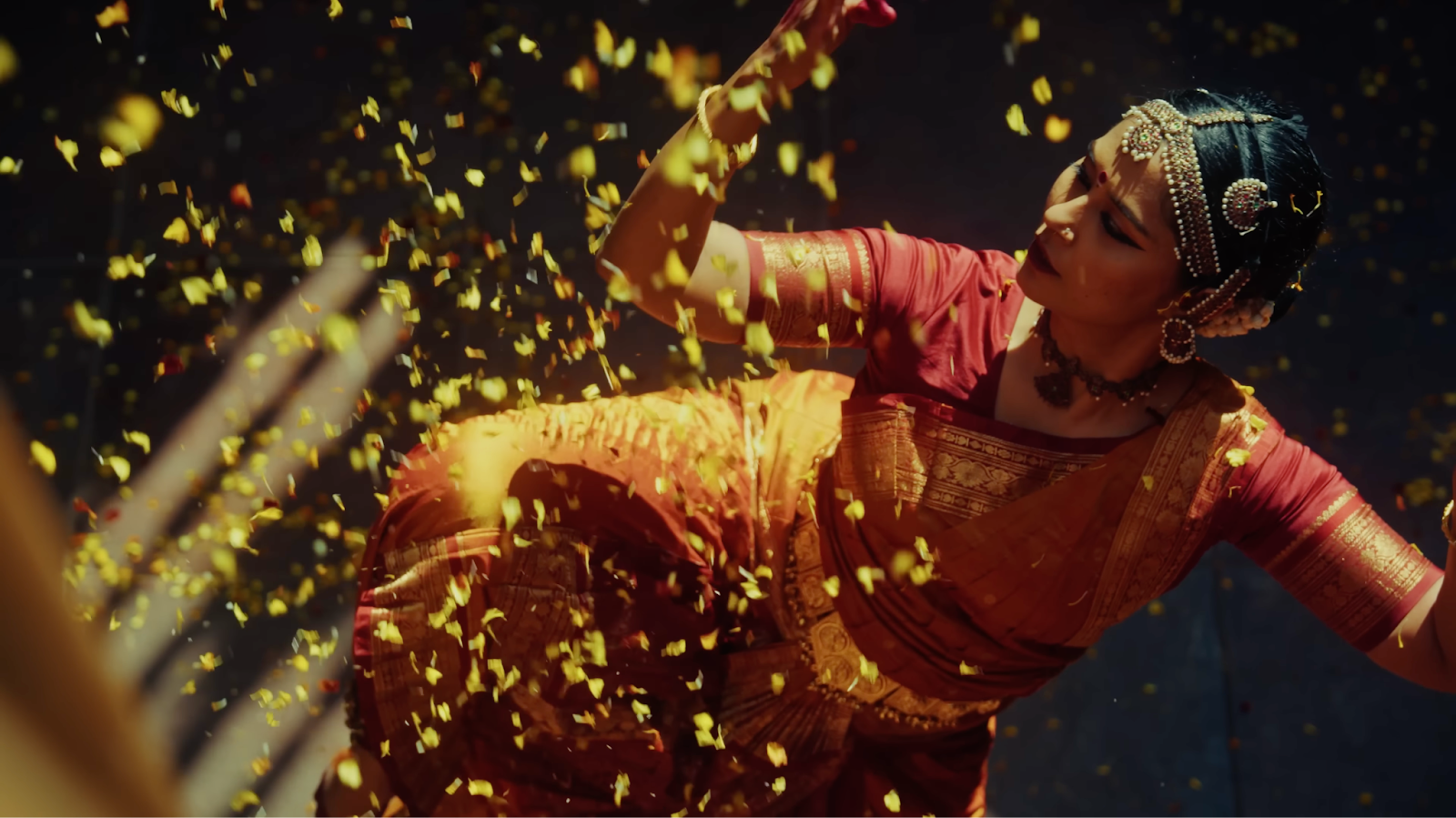
Following this, Sid Sriram, a renowned Indian Carnatic musician, collaborates with a Bharatnatyam dancer on the R&B track Falling, where the Bharatnatyam dancer, Maneesha Negi, synchronizes her movements with the music’s rhythm. This pairing of Carnatic music and Bharatnatyam, both deeply rooted in South Indian culture, echoes a modern fusion seen in viral social media trends, such as Usha Jey’s hip-hop Bharatanatyam choreography.
The album ends the way it started, with Divyam Sodhi. In Neu he adapts the Sufi kalam Neu La Liya Beparwah De Naal with the rise and fall of notes from OAFF’s keyboard. Divyam often does renditions of songs by Kaavish in his Instagram posts so it’s not farfetched to imagine he was inspired by their Coke Studio performance.
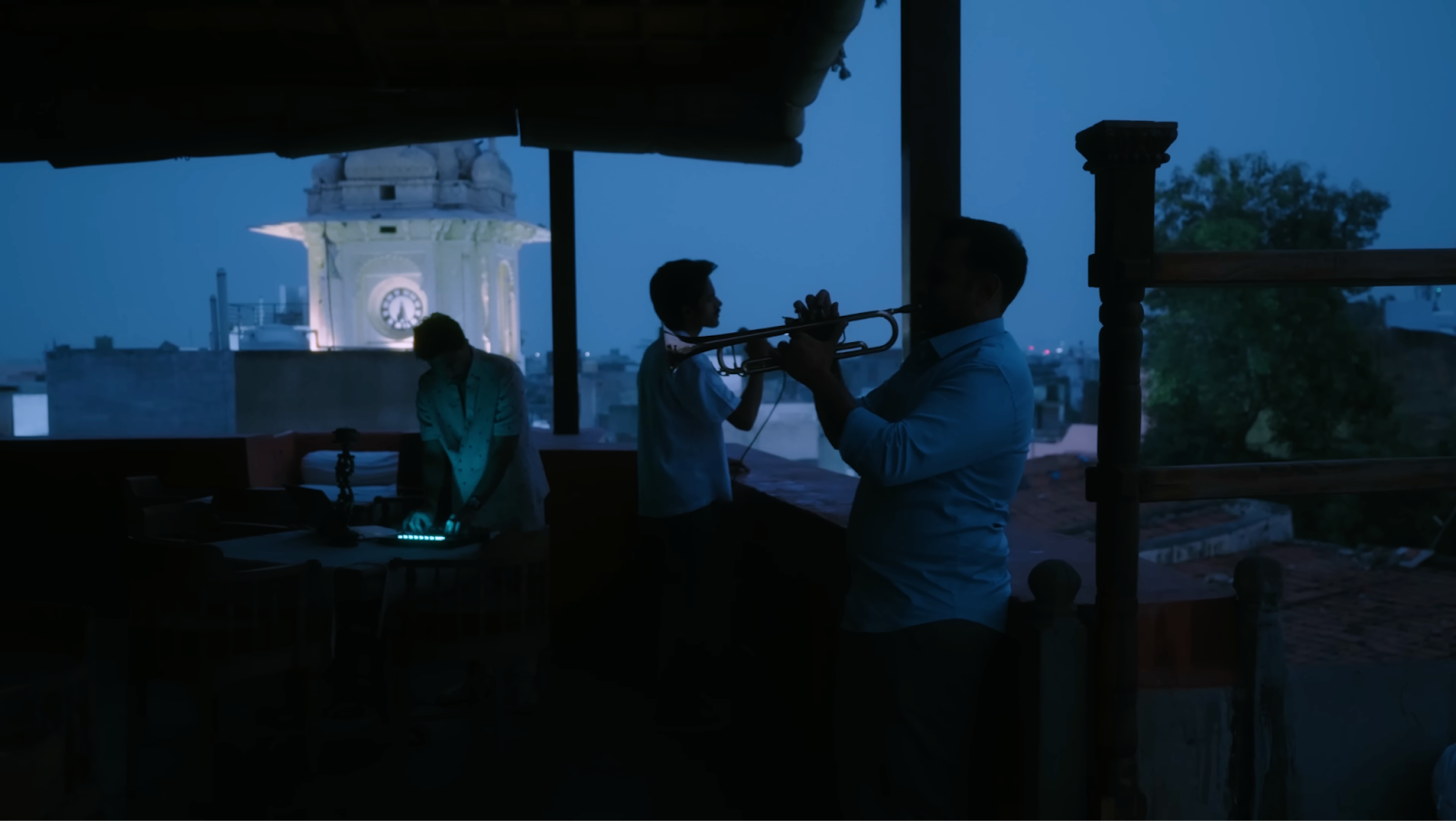
Anurag Baruah captured the spirit of each song with apt visuals, and his timing was perfect. The video transitions are smooth, making each performer stand out in sound and sight. For example, Divyam’s hair is brushed by the breeze in the sun-soaked Baalmaa. Or, in Between Flowers, Amira’s drifting voice is accompanied by a drifting red dupatta. OAFF is deeply immersed in creating his music within the confines of an auto in Forever. The camera in Rooth Gaye rapidly spins around when the trumpet kicks in, and red and yellow flowers fall on the dancer at the end of a crescendo in Falling. And the album ends in evening blue with OAFF’s keyboard being a source of light in Neu. The album is accompanied by the backdrop of what is so obviously India, but through a new lens.
Sonically i found it similar to Ali Sethi's new album Love album although ofc that is more vocals centric. Loved both projects and wish more people were talking about them. Also hoping for an OAFF x Ali Sethi collab one day. Happy about Hamnawa's attention to this beautiful album.